


Small Camper Access Campsites: Small Camper Acces in Pacific Northwest

Updated: Sep 19
Small Camper Access Campsites: Small Camper Acces in Pacific Northwest
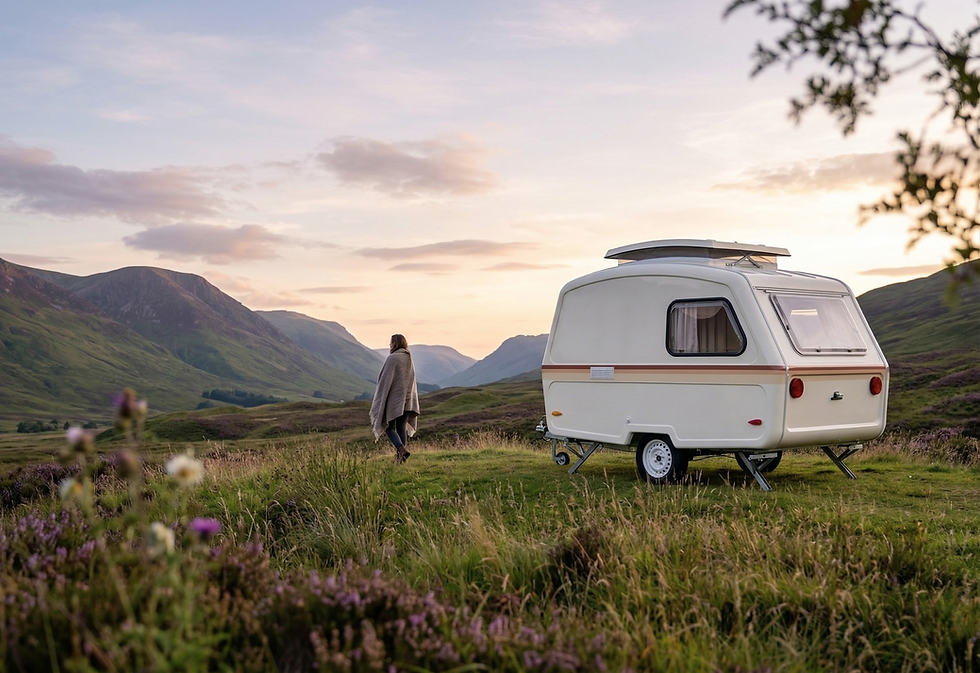
Compact, lightweight campers open doors that oversized RVs cannot enter, including tight forest loops, primitive spurs, and older state park sites like those near Mirror Lake in the Pacific Northwest. Clasica campers, a Eugene, Oregon-based builder, tow behind standard passenger vehicles, fit narrow access roads, and reach remote campsites throughout the Pacific Northwest.
Key Takeaways
Small campers access remote PNW campgrounds that larger RVs cannot navigate or fit into.
Compact campers maneuver through narrow forest roads and wilderness areas throughout the Pacific Northwest.
Smaller rigs park at 13+ premier Pacific Northwest campgrounds with limited space availability.
Lightweight campers reach pristine national park sites with restricted vehicle size requirements.
Why Do Small Campers Reach More PNW Campsites?
Compact dimensions allow access to sites that larger rigs cannot enter. Throughout the Pacific Northwest, small camper access campsites with length restrictions or tight spacing that keep full-size RVs out entirely. That distinction matters most in forested coastal sites and mountain campgrounds. The road narrows long before the good views begin.
National park loops in the Pacific Northwest reward this kind of trailer. Their maneuverability lets you navigate switchbacks. Narrow forest roads without the anxiety of a wide-body rig scraping branches or blocking a turn. You reach remote pullouts and hidden clearings that larger RVs simply cannot approach.
Are small trailers easier to park at PNW campgrounds?
Yes. Compact trailers fit into smaller pads at both developed campgrounds and secluded, undeveloped sites throughout the region. During peak summer months, when Pacific Northwest campgrounds fill fast, a smaller footprint makes securing a spot far less stressful.
Consider what changes when you tow light:
Winding mountain roads become routine instead of white-knuckle driving.
Narrow forest spurs leading to lakeside or riverside sites stay within reach.
Peak-season bookings get easier when your rig fits pads larger trailers must skip.
Tight developed sites at popular state parks no longer force you to search for overflow parking.
A camper built for reach, not size, keeps more of the Pacific Northwest open to you.
What Should You Expect At PNW Campgrounds?
Public and private campgrounds fill the map from Washington's San Juan Islands east to the Tri-Cities, each one its own destination with a distinct character. Expect variety rather than a single template. Some sites sit deep in old-growth forest; others open onto water views or high desert terrain.
Hookups tell a similar story of variation. Electric, water, and sewer connections differ from one campground to the next. Confirm what a specific site offers before you book. Where sewer hookups aren't available at the pad, a shared dump station usually covers the gap elsewhere on the property.
Ground conditions deserve attention too. Several PNW sites run uneven, and travelers who've camped them recommend packing leveling blocks for your vehicle or trailer. That small addition to your gear list saves you an uncomfortable night and protects your setup.
How Big Are Campsite Pads In The Pacific Northwest?
Many pads are compact by design, sized for a single tent and cooking area, or two tents side by side. This scale favors smaller, lighter rigs. A small camper accesses campsites that larger trailers cannot fit into, opening up more of the region's best-loved spots.
Do I Need To Book PNW Campsites In Advance?
Hookup variation and limited pad space make early planning worthwhile, especially during peak summer weekends throughout the Pacific Northwest.
How Does Clasica Fit Your PNW Trip?
Clasica travels light, and that changes what's available to you throughout the Pacific Northwest. Built in Eugene, Oregon, Clasica LLC designs campers to serve travelers heading north, east, and along the coast. Wherever the Pacific Northwest leads. Clasica LLC maintains consistent brand identification across every camper it builds, reflecting a core brand philosophy centered on light, simple, and mindful travel. A smaller footprint isn't just a design choice — it's what opens up more of the map.
Why does camper size matter for finding a campsite?
Size determines which sites you can even consider booking. Small camper access campsites that larger rigs simply cannot fit into, whether that's a tight loop at a state park or a narrow pull-through near a trailhead. During peak summer months, when PNW campgrounds fill fast, a compact trailer gives you more open slots to choose from.
Can a compact camper handle both developed and remote sites?
Yes. Compact towable campers maneuver into developed campgrounds with paved pads and also reach quieter, less-improved spots down forest service roads. That flexibility matters in a region where terrain shifts quickly:
Developed campgrounds: easier parking, tighter turns, no long back-in struggles
Secluded sites: access down narrower roads larger RVs avoid
Peak-season booking: smaller footprint means more available options
That range keeps your trip flexible instead of locked into one type of stay.
FAQ
Why do small campers reach more PNW campsites?
Compact dimensions let these campers navigate narrow forest roads, tight loops, and older state park sites with length restrictions that keep full-size RVs out entirely.
Are small trailers easier to park at PNW campgrounds?
Yes. Compact trailers fit smaller pads at developed and undeveloped sites, making peak-season bookings less stressful when your rig fits pads larger trailers must skip.
What should campers bring for uneven ground at PNW campgrounds?
Pack leveling blocks for your vehicle or trailer. Several Pacific Northwest sites run uneven and this gear protects your setup and comfort overnight.
Conclusion
In closing, the accessibility that smaller campers provide transforms how you experience the Pacific Northwest. By fitting into remote pullouts, narrow forest roads, and intimate campgrounds that larger rigs cannot reach, lightweight campers open pathways to solitude and discovery that define slow travel at its best. The freedom to explore beyond crowded destinations means more time savoring quiet mornings, genuine connection with the landscape, and the simple joy of going wherever curiosity leads.


Comments